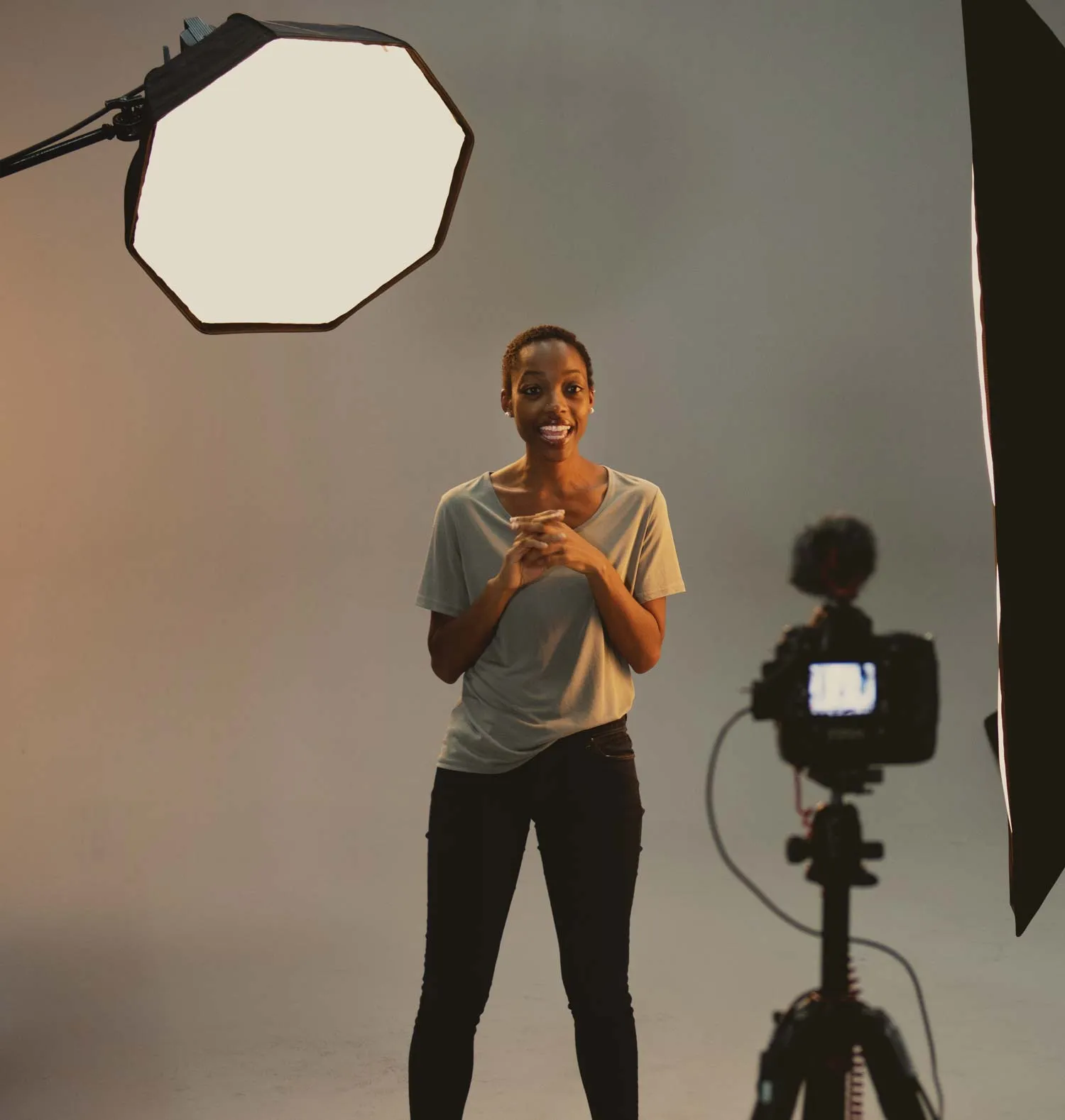
How to make an acting portfolio
Your acting portfolio consists of your acting resume as well as your headshots and acting footage. You can also include different versions of your resume, more customized based on specialization. For example, a resume focused on advertising will display a different type of headshot; instead of a single shot, it will most likely feature a composite of in-costume headshots. So your portfolio may include various versions of an acting resume. Each should be one page.
Your Acting Photo
It’s hard to overstate the importance of your acting. The entertainment field is a visual field and your photos may immediately open or close doors. Look thoroughly for a professional photographer who specializes in taking headshots of actors. This is not the right situation to take a selfie or take a photo of a friend with his cell phone. Of course, you can create your own headshot, but imagine your headshot with a pile of other people’s photos and how quickly they will be removed if they look amateurish. You want to be sure that you look professional.
A common complaint from casting directors is that the actor comes in and looks nothing like his headshot. Now both parties feel disappointed. So remember: you want interesting photos, but you also want photos that are clearly recognizable. Basic rules of headshots: It should look like you. Makeup should be minimal and natural, and clothing should be unobtrusive.
Some situations require a digital photo and resume, while others require a physical photo. In larger organizations or in urban areas, digital is likely to be the norm. At a local community theater, you’ll want to be able to drop in and move on. And many large professional regional theaters still prefer hard copies.
For physical copies, headshots should be 8×10 and printed on medium to heavy weight paper that has a matte or glossy finish. Some people recommend printing your resume directly behind the headshot, but this makes it harder to update and change your resume as you get bigger and better roles. A simpler solution is to staple your resume to the back of your photo at two opposite corners, cutting off the excess paper at the margins of the resume.
Digital headshots and resumes open up more possibilities for customization. When you take headshots, make sure you have access to a variety of photos. Different moods and settings (indoor and studio vs. outdoor and naturalistic) can help. Perhaps in the role of a serious intellectual, you will send a particular photo. And you will submit a much different photo for a role in which you will portray a terrifying villain.
Your Acting Reel
To showcase your work in a more eye-catching way, make sure you have acting in your portfolio. Ideally, Your reel consists of four to five different performances that showcase your various abilities. The entire video should not exceed three minutes. That way, you ensure that you focus only on your “greatest hits” and are also respectful of the casting director’s time and energy.

You can edit it yourself with widely available video software, however keep in mind you want to make professional quality reels. If you don’t feel up to the task, hire someone with video editing experience to set it up for you. Then all you have to do is choose clips that differentiate you as an actor and they’ll worry about the rest.
Website
If you have an agency, it likely has a website and can tell you what types of media and resume you should upload. Many actors, especially those without agents, find having their own website invaluable in making visual media accessible to prospective casting directors. You can include not only your headshot, but several headshots, as well as production photos and links to critical (positive) reviews of your work.
Network
Networking is important in any field, but it is especially important in the field of acting where there are so many barriers to access. It’s important to cultivate relationships, whether you’re interested in community theater or world fame. The creative side of the entertainment industry tends to be very close-knit and you never know when a friend of a friend will give you an audition that you wouldn’t otherwise get.
Audition Log
To help network, consider keeping audition notes. This is a record of all the auditions you have ever attended. If you want to become an actor, be prepared to take a lot of auditions to get a role. Each audition hones your skills and connects you with more people.
After you’ve had a few auditions, things will start to blur. Audition log (just an informal tool for your own benefit) helps you remember the details so you can use them to network. It’s helpful to note:
✓ Date
✓ Who you are auditioning for
✓ How do you get an audition
Example: Through your agent, network or your own efforts
✓ What you read or slang
✓ What are you wearing
Example: Why remember what you wear? Say, for example, a callback occurs three weeks after the initial audition. You want to be memorable to casting decision makers. So, it’s best to wear the same clothes you wore the first time to cherish their memories.
✓ Refresh memory details of the people you meet
Example: Notes about the conversation and your name will be helpful. Keep in mind that today’s assistant casting director may become the casting director of the future.
Create my resume
Berita Terkini
Berita Terbaru
Daftar Terbaru
News
Jasa Impor China
Berita Terbaru
Flash News
RuangJP
Pemilu
Berita Terkini
Prediksi Bola
Technology
Otomotif
Berita Terbaru
Teknologi
Berita terkini
Berita Pemilu
Berita Teknologi
Hiburan
master Slote
Berita Terkini
Pendidikan
Resep
Jasa Backlink
Slot gacor terpercaya
Anime Batch
